
Professional Installation in Ontario
Tankless Water Heater
Repair in Ontario
No hot water or ignition failures
Fluctuating water temperatures
Error codes and system noises
Professional repair services
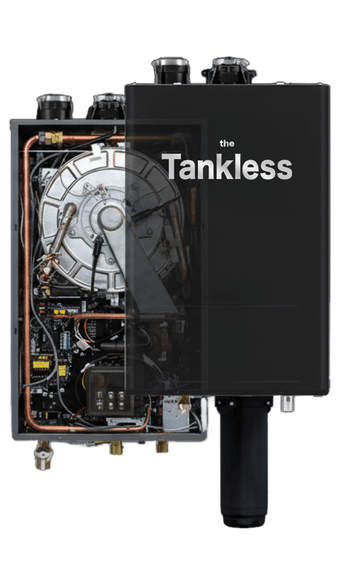
HVAC Diagnostic Guide
Common Tankless Water Heater Problems
and What Causes Them
No Hot Water
A complete loss of hot water usually stems from power or gas supply interruptions, ignition failure, or flow sensor issues. Venting restrictions or safety shutdowns can also stop the heating process before it starts.
Fluctuating Water Temperature
Temperature swings are typically caused by sudden changes in water demand or an undersized unit. Scale buildup in the heat exchanger and faulty temperature or flow sensors also lead to inconsistent heating.
Cold Water Sandwich Effect
This temporary burst of cold water occurs when a tap is turned off and on quickly, reflecting normal on-demand heating rather than a breakdown. Adding a recirculation system can help eliminate this issue.
Low Water Flow
Reduced water volume is typically caused by scale buildup, inlet filter restrictions, or clogged plumbing lines. Malfunctioning flow sensors and high simultaneous household demand can also limit overall flow.
Water Leaks
Leaks often stem from loose fittings, worn valves, pressure issues, or heat exchanger corrosion. Because water, gas, and electrical components share a compact space, leaks require prompt professional attention.
Unit Shutting Off / Short Cycling
Premature shutdowns usually happen when safety controls detect flow irregularities, venting blockages, or inconsistent gas supply. Scale buildup and failing sensors can also trigger automatic safety cutoffs.
Homeowner Checks
What You Can Safely Check Before Calling a Technician
Power Supply
Whether the unit is receiving power
Breaker
Whether a relevant breaker has tripped
Gas Supply
Whether the gas supply has been unintentionally shut off
Display
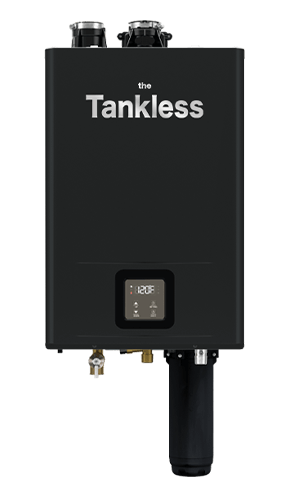
What, if anything, the unit's display is showing
Intake & Exhaust
Whether outdoor intake or exhaust openings are visibly blocked
Scope of Issue
Whether the issue affects every fixture in the home or just one
Service Process
Tankless Water Heater
Diagnosis and Repair Process
A clear, step-by-step approach to get your hot water system back to reliable performance.
Initial Diagnosis
A technician starts by reviewing the unit's brand and model, any error code present, the symptoms being reported, when the problem started or how it behaves, water-flow patterns, and any prior repair history.
Repair Recommendation
Once the fault is identified, the technician explains what's wrong and what repair is needed before proceeding.
System Inspection
Depending on the unit and symptoms, this can include checking the gas or electrical supply, venting, air intake, water flow, sensors, the heat exchanger, ignition and controls.
Repair and Testing
After the repair, the technician checks operation, water temperature and flow, clears any errors and tests safety.
Note: this section should include The Tankless's actual, verifiable technician qualifications and credentials once confirmed avoid unsupported claims such as generic 'TSSA-certified' language unless it can be substantiated.
Tankless Water Heater
Replacement vs. Repair
When
Replacement
Makes Sense
Consider a new unit when ongoing issues and rising costs make replacement the smarter long-term solution.
Frequent breakdowns
Costly component failure
Higher energy bills
Unit is 10+ years old
Better performance with a new system
When
Repair
Makes Sense
A repair can often restore your system quickly and affordably when the issue is minor and the unit is still in good condition.
Isolated fault or minor issue
Unit is otherwise operating well
Lower upfront cost
Fast and convenient service
Genuine parts readily available
Questions to Consider
Before Replacing
How old is the unit?
What component exactly has failed?
Has the unit needed repairs before?
Are replacement parts still readily available?
Is the unit properly sized for the home?
Does the current system still meet the household's hot water needs?
Would a newer system provide better performance, capacity, or efficiency?
Across Ontario
Tuned for
Ontario
water.
Water hardness changes a lot across the province, and hard water builds scale in any heater. We check your region's water and set up every install to handle it.
Northwestern Ontario
Slightly hard
Northeastern Ontario
Very hard
Southern Ontario & GTA
Moderately hard
Eastern Ontario
Hard
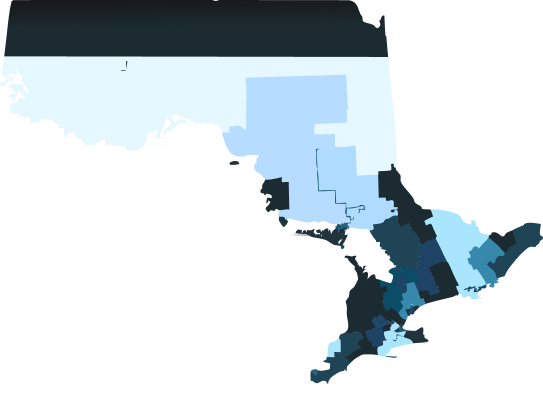
Slightly Hard
Very Hard
Hard
Moderate Hard
Frequently Asked Questions
Find quick answers to common questions about the Tankless installation, maintenance, and support services.
Why does my tankless water heater have no hot water?
Why does my tankless water heater have no hot water?
Common causes include an interrupted gas or power supply, a tripped breaker, ignition failure, a faulty flow sensor, or a safety shutdown caused by blocked venting. Check that the unit has power and gas and note any error code on the display. If hot water doesn't return, book a diagnosis with a qualified technician.
Why is my tankless water heater temperature fluctuating?
Why is my tankless water heater temperature fluctuating?
Temperature swings are usually caused by sudden changes in water demand, a unit that is undersized for the household, scale buildup in the heat exchanger, or a faulty temperature or flow sensor. A technician can check flow rates and test the sensors to find the cause.
Why does my tankless water heater keep shutting off?
Why does my tankless water heater keep shutting off?
Repeated shutdowns usually mean a safety control has detected a problem, such as a flow irregularity, a venting blockage, or an inconsistent gas supply. Scale buildup and failing sensors can also trigger automatic cutoffs. Because these are safety systems, the cause should be diagnosed by a qualified technician.
Is the cold water sandwich effect normal?
Is the cold water sandwich effect normal?
Yes. A brief burst of cold water when a tap is turned off and quickly back on is a normal trait of on-demand heating, not a sign of a breakdown. Adding a recirculation system can help reduce or eliminate it.
Can my existing gas line support a tankless water heater?
Can my existing gas line support a tankless water heater?
Not always. Tankless units typically need more gas flow than tank-style heaters, so the size and length of your gas line and the capacity of your meter need to be checked first. A technician can assess your existing line and tell you whether an upgrade is needed.
Why is my tankless water heater leaking?
Why is my tankless water heater leaking?
Leaks usually come from loose fittings, worn valves, pressure issues, or corrosion in the heat exchanger. Because water, gas, and electrical components share a compact space, shut off the water supply to the unit if it's safe to do so and have it inspected promptly.
Can a tankless water heater be repaired instead of replaced?
Can a tankless water heater be repaired instead of replaced?
Often, yes. A repair usually makes sense when the fault is isolated, the unit is otherwise working well, and parts are readily available. Replacement is worth considering when breakdowns are frequent, a costly component has failed, or the unit is more than 10 years old.
Tankless Water Heater
Installation & Maintenance
Tankless Water Heater
Installation
Need a new tankless water heater rather than a repair? Our tankless water heater installation service covers proper system selection, sizing, installation, and testing.
Tankless Water Heater
Maintenance
Regular maintenance can help identify developing problems and keep your tankless system operating properly, particularly where mineral scale and water quality affect heat exchanger performance and flow.