
Professional Installation in Ontario
Tankless Water Heater
Installation in Ontario
Professional Installation & System Sizing
End-to-End Process from Assessment to Completion
Safe Equipment Selection, Connections, and Venting
Thorough Testing and Final System Setup
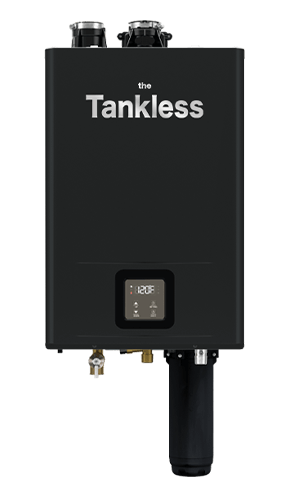
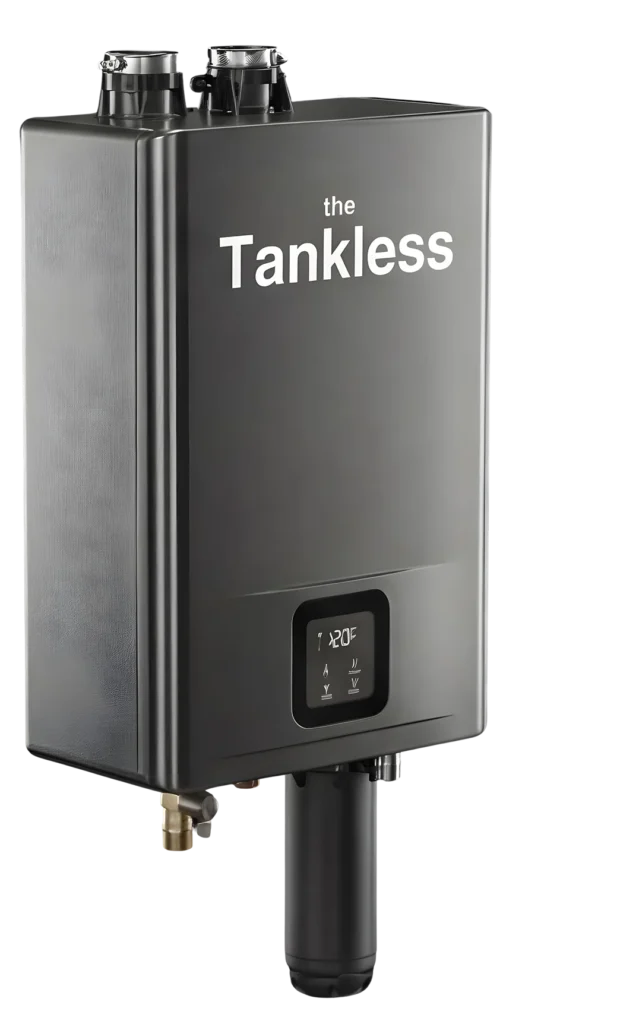
Hot Water That Fits the Way
Your Home Uses It
A tankless water heater can give you hot water on demand while taking up less space than a traditional storage tank. But getting the right results depends on more than choosing a high-efficiency unit.
The unit needs to be correctly sized, properly connected, safely vented, and installed to applicable Ontario requirements. Our tankless water heater installation service takes care of the entire process. We assess your home's hot water demand, determine the appropriate system, inspect the existing gas or electrical setup, complete the required connections and venting, and test the system before we leave.
Whether you're replacing an existing tankless unit or converting from a traditional tank, we can help you determine what your home actually needs.
Step-by-Step Rigor
Our Installation Process
Engineered precision from initial flow diagnostics to final combustion commissioning.
Proper System Sizing
We assess your peak hot water demand, incoming water temperature, and available fuel supply before recommending a unit.
01
The Right Foundation
Discover
Optimized
for real-world
performance
02
Connect
Professional Gas & Electrical Connections
Connections and venting are completed according to the requirements applicable to your installation and equipment.
Code-Compliant Installation
03
Coordinate
Permits & Required Inspections
Where permits or inspections are required, we coordinate the applicable process rather than treating the installation as a simple appliance swap.
Handle the Details
04
Validate
Testing & Commissioning
The system is tested after installation to confirm proper operation, temperature output, flow, and safety-related performance.
Confidence in Performance
05
Support
Installation Walkthrough
You receive guidance on operating your new system, maintenance requirements, and applicable manufacturer warranty conditions.
Knowledge That Lasts
Why Choose Tankless
Why Switch to a
Tankless Water Heater?
A traditional storage water heater keeps a reservoir of heated water ready for use. A tankless system heats water as it passes through the unit when there is a demand for hot water.
For homeowners considering the switch, the benefits can include:
Hot Water
on Demand
More
Usable Space
No
Storage Tank
Potential
Energy Savings
Long
Service Life
Our Tankless Installation Services
Tankless Water Heater Installation for Different Home Setups
Tankless-to-Tankless Replacement
Already have a tankless water heater?
Replacing an existing unit can be relatively straightforward when the new equipment is compatible with the existing installation. However, the existing venting, gas supply, electrical requirements, connections and clearances still need to be assessed against the requirements of the replacement unit.
Tank-to-Tankless Conversion
Want to replace your traditional tank with a tankless system?
This can involve more work than a like-for-like replacement. Depending on the equipment and existing installation, modifications may be required to the gas supply, venting, electrical service, water connections, condensate drainage and mounting location.
A site assessment determines what your home will require.
New Tankless Installation
Installing a tankless water heater where there isn't an existing system?
We'll assess the location and determine the appropriate requirements for equipment placement, water connections, fuel or electrical supply, venting and drainage.
Step-by-Step Rigor
What's Included in a Tankless Water Heater Installation?
Home & Hot Water Assessment
We look at how your household uses hot water and assess the existing installation conditions.
Installation Planning
The installation is planned around the equipment manufacturer's requirements and the conditions of your home.
Installation
The tankless water heater is mounted and connected.
System Sizing
Tankless sizing is based on factors such as required flow rate and incoming water temperature—not simply the number of people living in the house.
Connections & Venting
Where applicable, gas piping, venting, water connections and electrical components are installed or modified as required for the selected equipment.
Testing
The completed system is tested to confirm that it operates correctly.
Homeowner Walkthrough
We explain how to use the system and provide information about applicable maintenance and warranty requirements.
Frequently Asked Questions
Find quick answers to common questions about the Tankless installation, maintenance, and support services.
How long does a tankless water heater installation take?
How long does a tankless water heater installation take?
Many straightforward tankless-to-tankless replacements can be completed in a day. Conversions from a storage tank, or installations that need changes to gas piping, venting, or electrical service, can take longer. We'll give you an estimated timeline after assessing your home.
Do I need a permit to install a tankless water heater in Ontario?
Do I need a permit to install a tankless water heater in Ontario?
It depends on the work involved and your municipality. Changes to gas piping, venting, or plumbing may require a permit or inspection, and gas appliance work in Ontario must be carried out by a certified gas technician. We'll confirm what applies to your installation and coordinate the required process.
Can I replace my traditional tank with a tankless water heater?
Can I replace my traditional tank with a tankless water heater?
In most homes, yes. A tank-to-tankless conversion can involve changes to the gas supply, venting, electrical service, water connections, condensate drainage, and mounting location. A site assessment determines what your home will require.
What size tankless water heater do I need?
What size tankless water heater do I need?
Sizing is based on the flow rate your household needs at peak times and the temperature of your incoming water—not simply the number of people living in the home. We look at your fixtures and usage to recommend an appropriately sized unit.
Can my existing gas line support a tankless water heater?
Can my existing gas line support a tankless water heater?
Not always. Tankless units typically need more gas flow than tank-style heaters, so the size and length of your gas line and the capacity of your meter need to be checked first. We'll assess your existing line and tell you whether an upgrade is needed.
Does a tankless water heater need maintenance?
Does a tankless water heater need maintenance?
Yes. Periodic maintenance, such as flushing the heat exchanger to remove scale and cleaning the inlet water filter, helps keep the unit running efficiently. How often depends on your water hardness and the manufacturer's recommendations.